
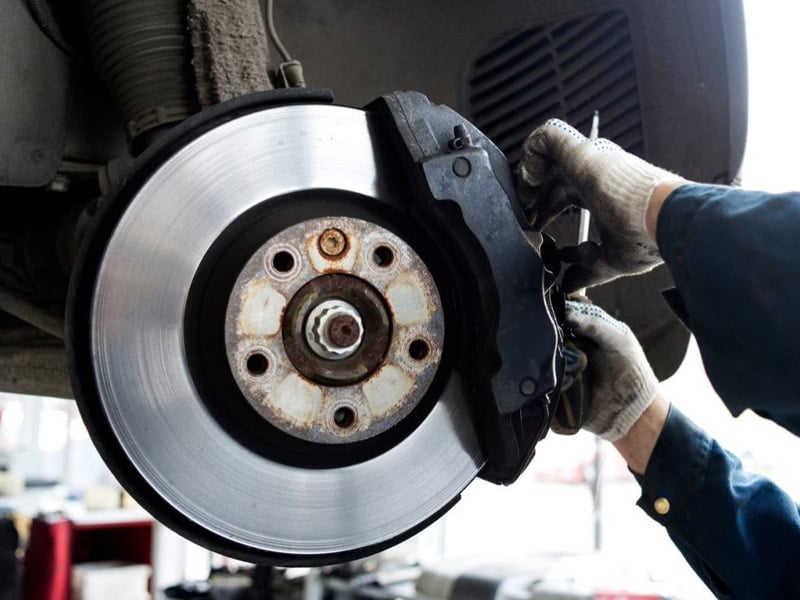
Subaru Brake Repair Service in Scarborough, ON
Subaru's advanced braking technology integrates with your vehicle's all-wheel drive system to deliver exceptional stopping power in all conditions. Modern Subaru brake systems utilize precision-engineered components that provide consistent, reliable performance during daily driving. The brake system coordinates with Vehicle Dynamics Control and EyeSight Driver Assist Technology to maintain optimal vehicle control during braking events. Each component serves a specific purpose in converting kinetic energy into heat through controlled friction. Professional brake service maintains these critical safety systems.
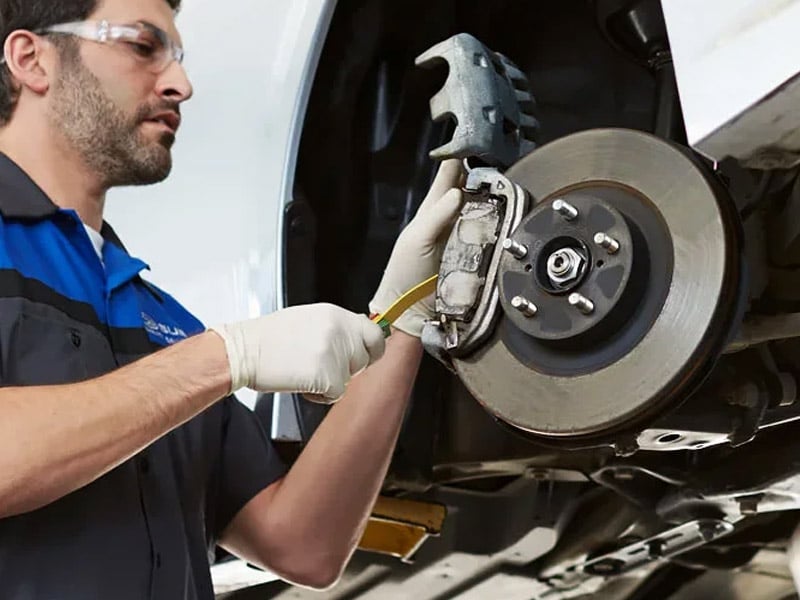
Understanding Your Brake System Operation
Your Subaru's brake system operates through a hydraulic network that multiplies the force you apply to the brake pedal throughout the braking mechanism. When you press the brake pedal, brake fluid transmits pressure through steel lines to brake calipers at each wheel position. The calipers squeeze brake pads against rotating discs called rotors, creating friction that converts forward momentum into heat energy. Anti-lock braking systems prevent wheel lockup during emergency stops by modulating brake pressure to individual wheels. This system ensures reliable stopping power while maintaining steering control.
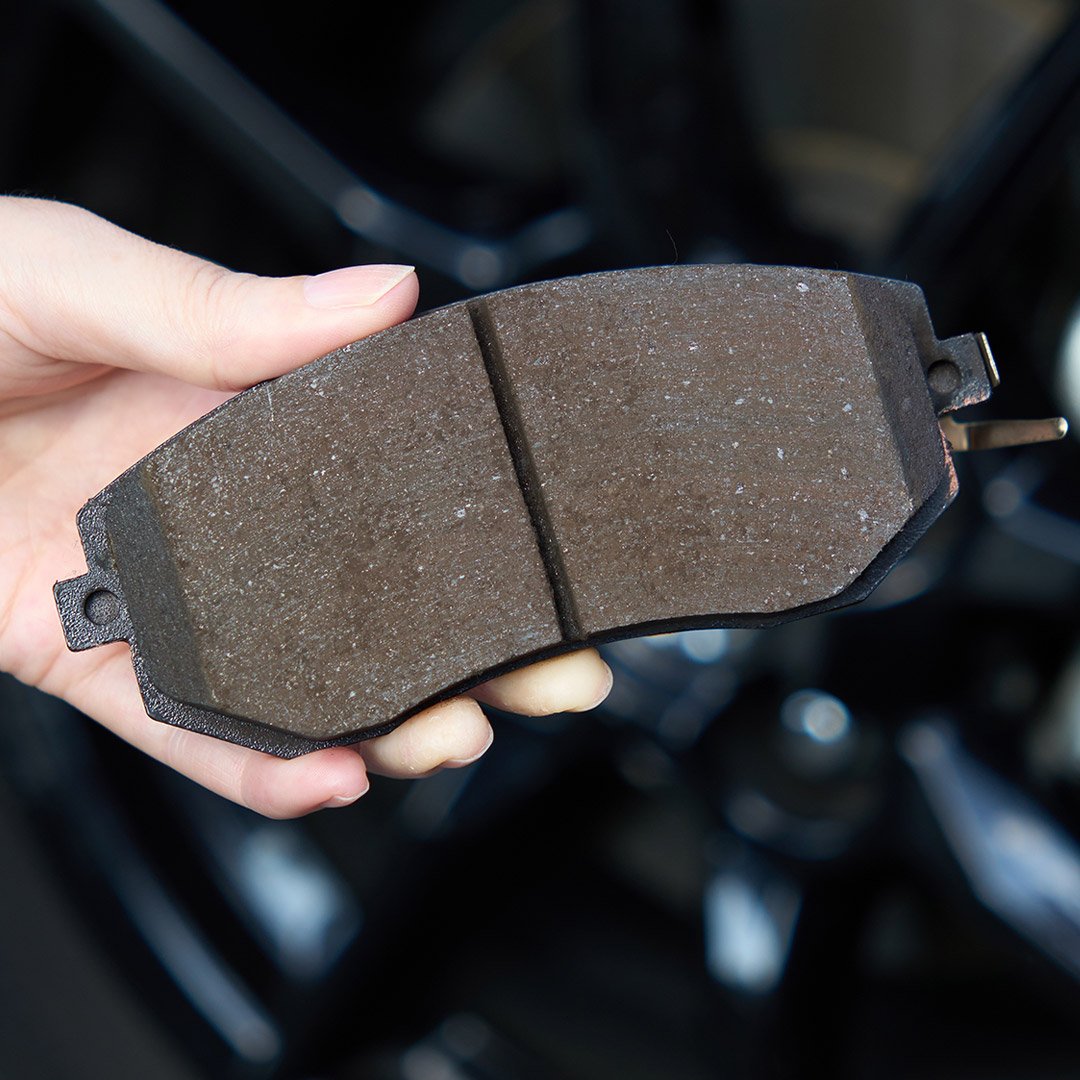
Maintenance Requirements and Performance Indicators
Brake system maintenance involves regular inspection of friction materials, hydraulic components, and related hardware to ensure optimal safety performance. Brake pads show wear indicators that produce audible warnings when replacement becomes necessary, while brake fluid requires periodic replacement. Visual inspection reveals rotor condition, including thickness measurements and surface quality that affect braking performance and pad wear patterns. Warning signs include changes in pedal feel, unusual noises during braking, vibrations through the steering wheel, or longer stopping distances. Professional brake inspection identifies potential issues before they compromise safety.
Subaru Certified Service in Scarborough, Ontario
Subaru's safety reputation depends on brakes that stop you when you need them to stop you. Grinding noises or vibrations signal brake problems developing fast. Scarboro Subaru's factory-trained technicians specialize in Subaru brake system repair. We stock genuine Subaru brake parts for dependable performance. All-wheel drive puts extra demands on brake components. Professional brake service keeps your family safe on busy roads. Get Subaru brake repair service at Scarboro Subaru, 2590 Eglinton Ave E, Scarborough, ON, or call (416) 265-4411.
Subaru Brake Repair FAQS
How do I know if my brakes need repair?
Brake problems typically announce themselves through distinct warning signs that require immediate attention from Subaru factory-trained technicians. Squealing noises, grinding sounds, or vibrations during braking indicate worn components that need professional evaluation. Changes in pedal feel or longer stopping distances signal potentially serious issues requiring prompt brake system inspection.
How often should I have my brakes checked?
Professional brake inspection should occur annually or every 20,000 kilometres to maintain optimal safety performance. Regular inspection schedules help identify wear patterns and potential problems before they compromise braking effectiveness. Following manufacturer maintenance intervals ensures your brake system receives appropriate attention based on driving conditions and usage patterns.
Why are my brakes making a squealing noise?
Squealing typically indicates brake pad wear indicators contacting the rotor surface, signaling replacement time. Environmental factors like moisture, dust, or debris can also cause temporary squealing that disappears with normal use. Persistent squealing requires professional inspection to determine whether component replacement or cleaning resolves the issue.
What's the difference between brake pads and rotors?
Brake pads contain friction material that presses against metal rotors to create the stopping force for your vehicle. Rotors are the circular metal discs attached to each wheel that provide the surface for brake pad contact. Both components work together as a friction couple, with pads being replaceable wear items and rotors requiring periodic resurfacing or replacement.
How long do brake pads and rotors last?
Brake pad service life typically ranges from 40,000 to 105,000 kilometres depending on driving habits and conditions. Rotors generally last 80,000 to 115,000 kilometres before requiring replacement or resurfacing. Component longevity varies significantly based on driving style, traffic conditions, and maintenance practices throughout the service interval.
Why does my car pull to one side when braking?
Uneven braking force between left and right wheels causes pulling during brake application. Stuck brake calipers, uneven pad wear, or brake fluid system problems can create this dangerous condition. Professional diagnosis identifies the specific cause and corrects the problem to restore proper braking balance and vehicle control.
Can I replace just the brake pads without replacing the rotors?
Brake pad replacement without rotor service is possible when rotors meet thickness and surface quality specifications. Severely worn, warped, or damaged rotors require replacement or resurfacing to ensure proper brake function. Professional inspection determines whether rotors can be reused or need additional service during brake pad replacement.
Can I drive with a brake warning light on?
Brake warning lights indicate serious safety issues that require immediate professional attention before continued driving. The warning system alerts you to low brake fluid, worn brake pads, or hydraulic system problems that compromise stopping ability. Continuing to drive with brake warnings risks complete brake system failure and serious safety consequences.
How long does a brake repair usually take?
Standard brake service typically requires one to three hours, depending on the specific repairs needed and component availability. Complex brake system repairs may require additional time for proper diagnosis and parts procurement. Professional service centres provide accurate time estimates based on your vehicle's specific brake system requirements and current condition.
Brake problems typically announce themselves through distinct warning signs that require immediate attention from Subaru factory-trained technicians. Squealing noises, grinding sounds, or vibrations during braking indicate worn components that need professional evaluation. Changes in pedal feel or longer stopping distances signal potentially serious issues requiring prompt brake system inspection.
Professional brake inspection should occur annually or every 20,000 kilometres to maintain optimal safety performance. Regular inspection schedules help identify wear patterns and potential problems before they compromise braking effectiveness. Following manufacturer maintenance intervals ensures your brake system receives appropriate attention based on driving conditions and usage patterns.
Squealing typically indicates brake pad wear indicators contacting the rotor surface, signaling replacement time. Environmental factors like moisture, dust, or debris can also cause temporary squealing that disappears with normal use. Persistent squealing requires professional inspection to determine whether component replacement or cleaning resolves the issue.
Brake pads contain friction material that presses against metal rotors to create the stopping force for your vehicle. Rotors are the circular metal discs attached to each wheel that provide the surface for brake pad contact. Both components work together as a friction couple, with pads being replaceable wear items and rotors requiring periodic resurfacing or replacement.
Brake pad service life typically ranges from 40,000 to 105,000 kilometres depending on driving habits and conditions. Rotors generally last 80,000 to 115,000 kilometres before requiring replacement or resurfacing. Component longevity varies significantly based on driving style, traffic conditions, and maintenance practices throughout the service interval.
Uneven braking force between left and right wheels causes pulling during brake application. Stuck brake calipers, uneven pad wear, or brake fluid system problems can create this dangerous condition. Professional diagnosis identifies the specific cause and corrects the problem to restore proper braking balance and vehicle control.
Brake pad replacement without rotor service is possible when rotors meet thickness and surface quality specifications. Severely worn, warped, or damaged rotors require replacement or resurfacing to ensure proper brake function. Professional inspection determines whether rotors can be reused or need additional service during brake pad replacement.
Brake warning lights indicate serious safety issues that require immediate professional attention before continued driving. The warning system alerts you to low brake fluid, worn brake pads, or hydraulic system problems that compromise stopping ability. Continuing to drive with brake warnings risks complete brake system failure and serious safety consequences.
Standard brake service typically requires one to three hours, depending on the specific repairs needed and component availability. Complex brake system repairs may require additional time for proper diagnosis and parts procurement. Professional service centres provide accurate time estimates based on your vehicle's specific brake system requirements and current condition.