
Subaru Cabin Air Filter Service in Scarborough, ON
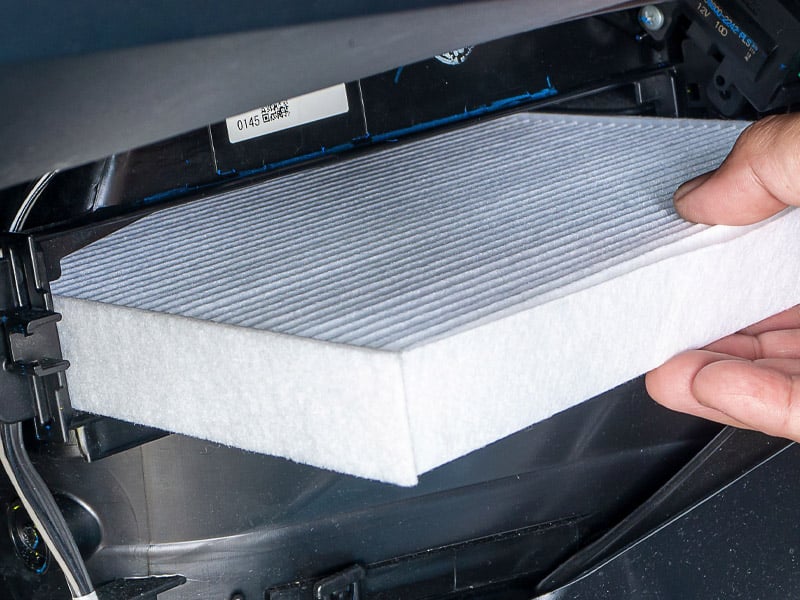
Modern Subaru vehicles feature sophisticated cabin air filtration systems designed to maintain optimal interior air quality throughout your journey. The cabin air filter serves as your vehicle's primary defense against airborne contaminants, including dust, pollen, exhaust particles, and pollutants. This filtration system works with your Subaru's climate control technology to ensure every breath inside your vehicle remains clean and fresh. Advanced filtration becomes particularly important for drivers with allergies or respiratory sensitivities, as well as families with young children. Professional cabin air filter service maintains this critical component at peak performance.
Filtration Technology and System Integration
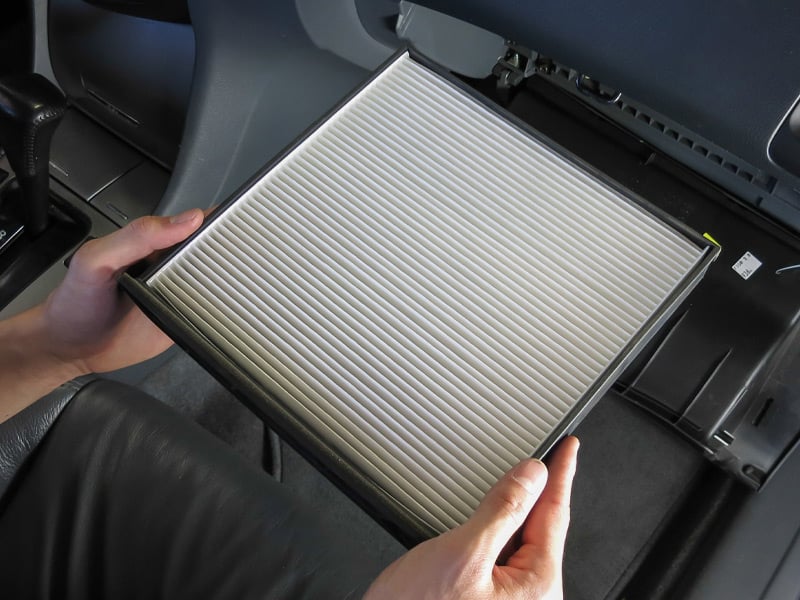
Your Subaru's cabin air filter operates through a multi-layer filtration process that captures particles of various sizes as air enters the interior. The filter media consists of pleated material designed to maximize surface area while maintaining proper airflow through the climate control system. As outside air passes through the filter, larger particles like dust are trapped in outer layers, while finer contaminants are captured by inner media. This filtration occurs continuously whenever your heating, ventilation, or air conditioning system operates, ensuring consistent air quality. Advanced filters may incorporate activated carbon layers.
Maintenance Intervals and Performance Indicators
Cabin air filter replacement intervals typically range from 19,000 to 24,000 kilometers or annually, depending on driving conditions and environmental factors. Filters may require more frequent replacement if you regularly drive in dusty conditions, heavy traffic, or areas with high pollen counts during seasonal changes. Visual inspection during routine maintenance reveals filter condition, including accumulated debris, discoloration, or structural damage that indicates replacement necessity. Common signs of deterioration include reduced airflow from dashboard vents, musty odors when operating climate control, or increased fan noise.
Subaru Certified Service in Scarborough, Ontario
Driving exposes you to exhaust particles, dust, and allergens. Your Subaru's cabin filter protects you from these pollutants. Scarboro Subaru replaces dirty filters to maintain clean air. A clogged filter reduces airflow and strains your system. Fresh air makes commuting more comfortable for everyone inside. Regular filter changes improve air quality and system efficiency. Schedule your Subaru cabin air filter replacement at Scarboro Subaru, 2590 Eglinton Ave E, Scarborough, ON, or call (416) 265-4411.
Subaru Cabin Air Filter FAQS
What is a cabin air filter?
The cabin air filter functions as a protective barrier that removes dust, pollen, and various airborne contaminants from air entering your vehicle's interior. This essential component ensures that the air circulating through your car's ventilation system remains clean and healthy for occupants. Proper filtration significantly improves the overall driving experience by maintaining optimal air quality inside the passenger compartment.
How often should I change my cabin air filter?
Cabin air filter replacement typically occurs every 19,000 to 24,000 kilometres or annually, depending on driving conditions and environmental factors. Vehicles operated in dusty or heavily polluted areas may require more frequent filter changes to maintain optimal performance. Following recommended service intervals ensures consistent air quality and proper HVAC system operation.
What happens if I don't replace my cabin air filter?
A clogged cabin air filter restricts airflow to your vehicle's heating and cooling system, reducing efficiency and comfort. Neglected filters can cause unpleasant odours to circulate through the passenger compartment and strain HVAC components. Extended use of a dirty filter may also compromise interior air quality and potentially affect the health of sensitive occupants.
Does the cabin air filter affect my car's AC?
The cabin air filter directly impacts air conditioning performance by regulating airflow through the entire climate control system. A dirty or clogged filter forces the AC system to work harder, reducing cooling efficiency and potentially causing premature component wear. Proper filter maintenance ensures optimal air conditioning performance and extends system longevity.
Can I replace my cabin air filter myself?
Cabin air filter replacement can often be performed using basic tools and following your vehicle's owner's manual instructions. However, professional service ensures proper installation and disposal of the old filter according to environmental guidelines. Professional replacement also includes inspection of related HVAC components to identify potential issues before they become problems.
How do I know if my cabin air filter needs replacing?
Reduced airflow from dashboard vents, musty odours during HVAC operation, or visible dirt accumulation on the filter surface indicate replacement needs. Increased fan noise or decreased heating and cooling efficiency also suggest filter deterioration. Professional inspection provides accurate assessment of filter condition and optimal replacement timing.
Are all cabin air filters the same?
Cabin air filters vary significantly based on vehicle specifications, with different sizes, shapes, and filtration technologies designed for specific applications. Some filters feature basic particle filtration, while others incorporate activated carbon for enhanced odour control and chemical vapor absorption. Professional service ensures that you receive the correct filter specification for your specific vehicle model.
Where is the cabin air filter located in my car?
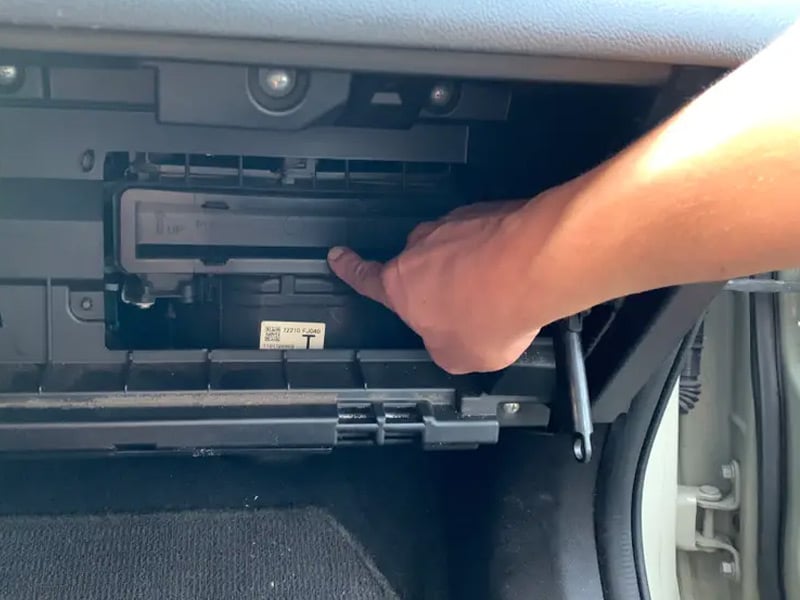
Cabin air filters are typically located behind the glove compartment or beneath the dashboard near the HVAC system components. Filter access may require removal of panels or covers, depending on your vehicle's design and model year. Consulting your owner's manual provides specific location information and access procedures for your particular vehicle.
The cabin air filter functions as a protective barrier that removes dust, pollen, and various airborne contaminants from air entering your vehicle's interior. This essential component ensures that the air circulating through your car's ventilation system remains clean and healthy for occupants. Proper filtration significantly improves the overall driving experience by maintaining optimal air quality inside the passenger compartment.
Cabin air filter replacement typically occurs every 19,000 to 24,000 kilometres or annually, depending on driving conditions and environmental factors. Vehicles operated in dusty or heavily polluted areas may require more frequent filter changes to maintain optimal performance. Following recommended service intervals ensures consistent air quality and proper HVAC system operation.
A clogged cabin air filter restricts airflow to your vehicle's heating and cooling system, reducing efficiency and comfort. Neglected filters can cause unpleasant odours to circulate through the passenger compartment and strain HVAC components. Extended use of a dirty filter may also compromise interior air quality and potentially affect the health of sensitive occupants.
The cabin air filter directly impacts air conditioning performance by regulating airflow through the entire climate control system. A dirty or clogged filter forces the AC system to work harder, reducing cooling efficiency and potentially causing premature component wear. Proper filter maintenance ensures optimal air conditioning performance and extends system longevity.
Cabin air filter replacement can often be performed using basic tools and following your vehicle's owner's manual instructions. However, professional service ensures proper installation and disposal of the old filter according to environmental guidelines. Professional replacement also includes inspection of related HVAC components to identify potential issues before they become problems.
Reduced airflow from dashboard vents, musty odours during HVAC operation, or visible dirt accumulation on the filter surface indicate replacement needs. Increased fan noise or decreased heating and cooling efficiency also suggest filter deterioration. Professional inspection provides accurate assessment of filter condition and optimal replacement timing.
Cabin air filters vary significantly based on vehicle specifications, with different sizes, shapes, and filtration technologies designed for specific applications. Some filters feature basic particle filtration, while others incorporate activated carbon for enhanced odour control and chemical vapor absorption. Professional service ensures that you receive the correct filter specification for your specific vehicle model.
Cabin air filters are typically located behind the glove compartment or beneath the dashboard near the HVAC system components. Filter access may require removal of panels or covers, depending on your vehicle's design and model year. Consulting your owner's manual provides specific location information and access procedures for your particular vehicle.