
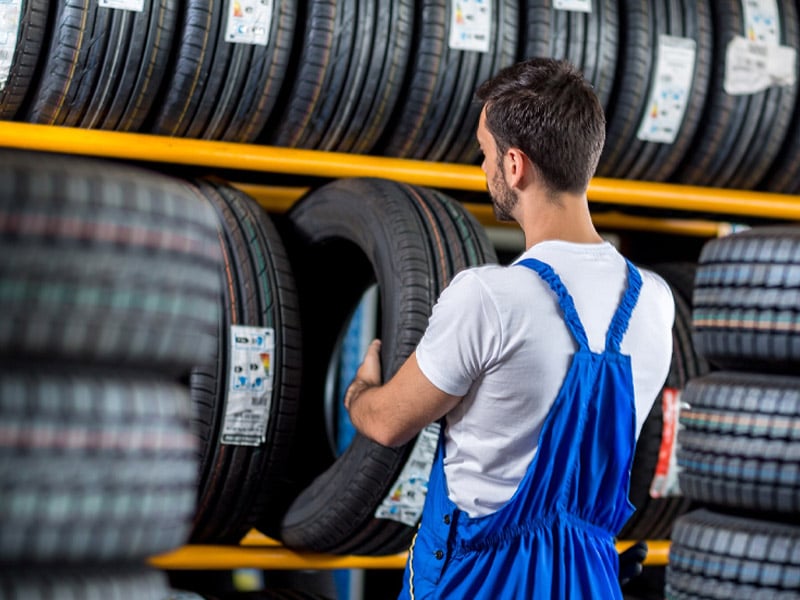
Subaru Tire Service in Scarborough, ON
Subaru's renowned all-wheel drive system depends on properly maintained tires to deliver the traction and control that defines the driving experience. Your vehicle's tires represent the only contact point between your Subaru and the road surface, making their condition critical for safety, performance, and fuel efficiency. Modern Subaru vehicles utilize sophisticated traction management systems that work in harmony with properly maintained tires to provide confidence in all driving conditions. The integration between your Subaru's Vehicle Dynamics Control, X-MODE technology, and tire performance ensures optimal handling. Professional tire service ensures your vehicle's advanced safety systems receive the foundation required.
Tire Construction and Performance Integration
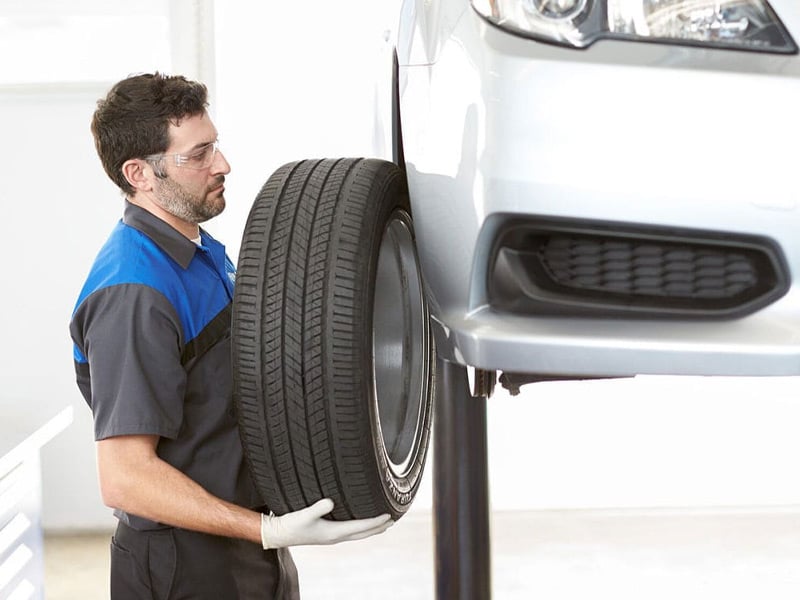
Your Subaru's tires function as complex engineering components that must balance multiple performance requirements including traction, durability, comfort, and fuel efficiency. Modern tire construction utilizes steel belts, fabric layers, and specialized rubber compounds designed to provide optimal performance across varying temperature and road conditions. The tire's contact patch with the road surface determines how effectively your Subaru's power delivery, braking force, and steering inputs translate into vehicle movement and control. Tread patterns are engineered to channel water away from the contact area while providing grip on dry surfaces.
Service Requirements and Replacement Indicators
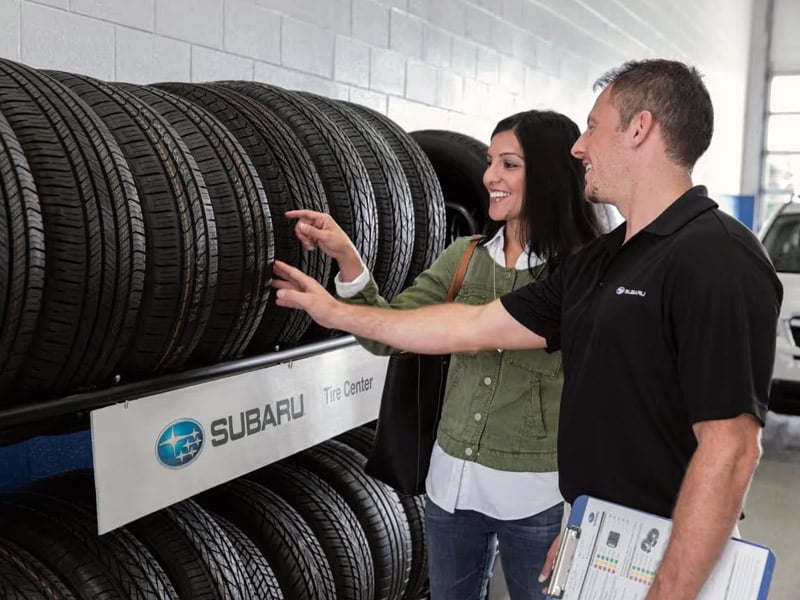
Tire rotation should occur every 8,000 to 12,000 kilometers to ensure even wear patterns and maximize tire service life across all four positions. Regular rotation prevents premature replacement of individual tires and maintains consistent traction characteristics that support your Subaru's all-wheel drive system performance. Visual inspection reveals tread depth, sidewall condition, and unusual wear patterns that indicate alignment issues, suspension problems, or improper inflation pressure. Tread depth measurements using a tread depth gauge provide accurate assessment of remaining tire life, with replacement recommended when depth reaches 4/32 of an inch.
Subaru Certified Service in Scarborough, Ontario
Tire rotation should occur every 8,000 to 12,000 kilometers to ensure even wear patterns and maximize tire service life across all four positions. Regular rotation prevents premature replacement of individual tires and maintains consistent traction characteristics that support your Subaru's all-wheel drive system performance. Visual inspection reveals tread depth, sidewall condition, and unusual wear patterns that indicate alignment issues, suspension problems, or improper inflation pressure. Tread depth measurements using a tread depth gauge provide accurate assessment of remaining tire life, with replacement recommended when depth reaches 4/32 of an inch.
Subaru Tire Service and Care FAQS
How often should I rotate my tires?
Tire rotation should occur every 8,000 to 12,000 kilometres to promote even wear across all four tire positions. Regular rotation prevents premature replacement of individual tires and maintains consistent traction for optimal all-wheel drive performance. Following recommended rotation intervals maximizes tire service life and supports vehicle safety systems.
Why is tire rotation important?
Tire rotation distributes wear evenly across all four tires, extending their service life and maintaining consistent traction characteristics. Even wear patterns ensure that your vehicle's advanced safety systems receive uniform performance from all tire positions. Regular rotation also prevents the need for premature individual tire replacement, reducing overall maintenance costs.
How can I tell if my tires need repair or replacement?
Visual inspection reveals punctures, sidewall damage, bulges, or uneven tread wear that indicate service needs. Tread depth measurements and air pressure monitoring help identify when replacement becomes necessary for safety and performance. Professional inspection provides accurate assessment of tire condition and remaining service life.
Can tires be repaired?
Small punctures in the tread area can often be repaired safely using professional patching techniques. Sidewall damage, large punctures, or structural issues typically require tire replacement for safety reasons. Professional evaluation determines whether repair is appropriate or if replacement is necessary for optimal performance and safety.
When should I replace my tires?
Tire replacement becomes necessary when tread depth reaches 4/32 of an inch or when sidewall damage, bulges, or structural issues compromise safety. Age-related deterioration may require replacement even if tread depth remains adequate. Professional inspection provides accurate assessment of replacement timing based on actual tire condition.
How do I know what tires my car needs?
Tire specifications are listed on your current tire sidewalls and in your vehicle's owner's manual. Size, load rating, and speed rating must match your vehicle's requirements for optimal performance and safety. Professional consultation ensures proper tire selection based on your driving conditions and performance preferences.
What are the benefits of new tires?
New tires provide optimal traction, improved fuel efficiency, and enhanced safety through proper tread depth and structural integrity. Fresh tires also offer better ride comfort and noise reduction compared to worn tires. Professional installation ensures proper balancing and pressure settings for maximum performance and longevity.
How long do new tires typically last?
New tire service life typically ranges from 40,000 to 80,000 kilometres, depending on driving habits, road conditions, and maintenance practices. Quality tires with proper maintenance generally provide longer service life than budget alternatives. Regular rotation, proper inflation, and alignment maintenance maximize tire longevity and performance.
Tire rotation should occur every 8,000 to 12,000 kilometres to promote even wear across all four tire positions. Regular rotation prevents premature replacement of individual tires and maintains consistent traction for optimal all-wheel drive performance. Following recommended rotation intervals maximizes tire service life and supports vehicle safety systems.
Tire rotation distributes wear evenly across all four tires, extending their service life and maintaining consistent traction characteristics. Even wear patterns ensure that your vehicle's advanced safety systems receive uniform performance from all tire positions. Regular rotation also prevents the need for premature individual tire replacement, reducing overall maintenance costs.
Visual inspection reveals punctures, sidewall damage, bulges, or uneven tread wear that indicate service needs. Tread depth measurements and air pressure monitoring help identify when replacement becomes necessary for safety and performance. Professional inspection provides accurate assessment of tire condition and remaining service life.
Small punctures in the tread area can often be repaired safely using professional patching techniques. Sidewall damage, large punctures, or structural issues typically require tire replacement for safety reasons. Professional evaluation determines whether repair is appropriate or if replacement is necessary for optimal performance and safety.
Tire replacement becomes necessary when tread depth reaches 4/32 of an inch or when sidewall damage, bulges, or structural issues compromise safety. Age-related deterioration may require replacement even if tread depth remains adequate. Professional inspection provides accurate assessment of replacement timing based on actual tire condition.
Tire specifications are listed on your current tire sidewalls and in your vehicle's owner's manual. Size, load rating, and speed rating must match your vehicle's requirements for optimal performance and safety. Professional consultation ensures proper tire selection based on your driving conditions and performance preferences.
New tires provide optimal traction, improved fuel efficiency, and enhanced safety through proper tread depth and structural integrity. Fresh tires also offer better ride comfort and noise reduction compared to worn tires. Professional installation ensures proper balancing and pressure settings for maximum performance and longevity.
New tire service life typically ranges from 40,000 to 80,000 kilometres, depending on driving habits, road conditions, and maintenance practices. Quality tires with proper maintenance generally provide longer service life than budget alternatives. Regular rotation, proper inflation, and alignment maintenance maximize tire longevity and performance.